

What Baby Gear Do You Actually Need Quiz
Sleep deprivation in the first months is the hardest part of new parenthood, and the right sleep setup for your baby is the single highest-impact gear investment you can make. Safe sleep means a firm, flat surface in a bare sleep space — no loose bedding, bumpers, or positioners. The AAP recommends room-sharing (not bed-sharing) for the first 6 months. A quality bedside bassinet that allows you to reach your baby without getting up, plus a white noise machine, dramatically improves both infant sleep quality and parent sleep.
Table of Contents
- Our Top Picks
- How old is your baby (or when are you due)?
- What's your biggest challenge or concern right now?
- Where do you live?
- Are you buying for a first baby or a second/subsequent child?
- What's your budget priority?
- 😴 Your Pick: Safe Sleep Setup — Bassinet + White Noise Machine
- 🚗 Your Pick: Convertible Car Seat — Buy Once, Use Through Age 4+
- 🙌 Your Pick: Baby Carrier or Bouncer Seat — Your Hands Back
- 🚶 Your Pick: Stroller — The Right Type for Your Lifestyle
- Frequently Asked Questions
Our Top Picks
Affiliate disclosure: if you buy through these links, we may earn a commission at no extra cost to you.


How old is your baby (or when are you due)?
What's your biggest challenge or concern right now?
Where do you live?
Are you buying for a first baby or a second/subsequent child?
What's your budget priority?
😴 Your Pick: Safe Sleep Setup — Bassinet + White Noise Machine
Best Bassinet: HALO BassiNest Swivel Sleeper ($230) — Bedside Access, Safe Design
The HALO BassiNest Swivel Sleeper is the most recommended bassinet for newborns — a 360° swivel base that positions right against your bed, a lowering side wall that lets you slide baby in and out without sitting up (critical after a C-section), a firm, flat breathable sleep surface, and a built-in soothing center with vibration, sounds, and nightlight. The BassiNest holds up to 20 lbs (typically birth to 5–6 months), which covers the entire newborn-to-rolling period. It folds flat for travel. The swivel feature sounds minor until 3 AM when you're moving it one-handed with a sleeping baby — it becomes essential.
Best White Noise: Hatch Rest+ ($89) — White Noise + Nightlight + Baby Monitor
The Hatch Rest+ combines a white noise machine, adjustable nightlight, time-to-rise clock (for toddlers), and baby audio monitor in one bedside unit — controllable via app from your phone without entering the room. The Rest+'s ability to program sleep schedules and time-to-rise routines makes it a product you use from newborn through age 5+, not just the infant stage. At $89, it replaces 3 separate devices (white noise machine, nightlight, toddler clock) at a price point competitive with standalone white noise machines. The app control means you adjust sound levels without going into the nursery and waking a sleeping baby.
📖 Read our top baby bouncers for naptime help →
🚗 Your Pick: Convertible Car Seat — Buy Once, Use Through Age 4+
Car seat selection is the highest-stakes baby gear decision — it's safety equipment, not a lifestyle product. The two main options are infant car seats (bucket-style, rear-facing only, portable, limited weight capacity ~35 lbs) and convertible car seats (installs in the car, rear-facing then forward-facing, used from birth through 65+ lbs). Most families who buy an infant seat end up buying a convertible within 12–18 months anyway. Buying a quality convertible from birth is the cost-effective, continuity-of-safety choice.
Best Value Convertible: Graco Extend2Fit ($199) — Rear-Faces to 50 lbs
The Graco Extend2Fit Convertible Car Seat is the most recommended value convertible car seat — rear-facing to 50 lbs (higher than most competitors, extends rear-facing time significantly), a 4-position extension panel that adds 5 inches of legroom (the most common reason parents turn children forward too early is legroom, not weight), a 10-position headrest for 10 years of fit adjustments, and Graco's InRight LATCH system for one-second installation. NHTSA ease-of-use rating: 5/5. At $199, no other convertible seat matches the Extend2Fit's rear-facing weight limit and legroom extension at this price. This is the seat that child passenger safety technicians recommend most often in the value category.
Premium Pick: Britax One4Life ($349) — Birth to 120 lbs, One Seat Forever
The Britax One4Life is the all-in-one car seat that goes from newborn (5 lbs rear-facing) through 120 lbs as a booster — meaning one car seat purchase covers your child from birth to approximately age 10–12. The One4Life uses Britax's ClickTight installation system (thread the seatbelt through, click shut — no LATCH guesswork, no re-installation every time you switch cars), a steel frame for side-impact protection, and a 10-position headrest. At $349, it's the most expensive single-purchase option but the total cost of ownership over 10 years is competitive with buying an infant seat + convertible + booster separately. For families who want to buy once and stop thinking about car seats, the One4Life is the answer.
📖 Read our convertible car seat guide for safety-conscious parents →
🙌 Your Pick: Baby Carrier or Bouncer Seat — Your Hands Back
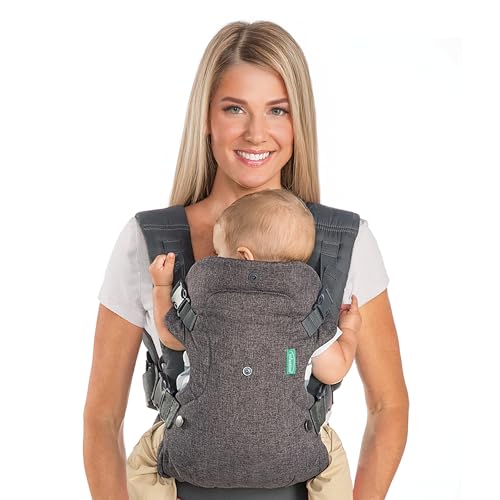
The single biggest quality-of-life improvement for parents of newborns and infants is a hands-free solution that keeps baby content while you function. Two categories solve this: baby carriers (keep baby close on your body, baby is soothed by movement and warmth, your hands are completely free) and bouncer/rocker seats (put baby down in a supported, engaging position that buys you 20–40 minutes). Which you need depends on whether your baby prefers motion-while-held or whether they'll tolerate being set down.
Best Baby Carrier: Ergobaby Omni 360 ($180) — Newborn to 45 lbs, 4 Carry Positions
The Ergobaby Omni 360 is the most recommended structured baby carrier for hands-free daily use — 4 carrying positions (front inward, front outward, hip, and back carry), usable from newborn (7 lbs) without an insert through 45 lbs, an ergonomic seat that positions baby's hips in the M-position recommended by the International Hip Dysplasia Institute, padded shoulder straps and lumbar support for the wearer, and breathable mesh panels. At $180, the Omni 360 eliminates the need for a separate newborn insert and grows with your child through toddlerhood. A good carrier is used daily from birth — the cost-per-use over 2 years makes it one of the best values in baby gear.
Best Bouncer: BABYBJÖRN Bouncer Bliss ($249) — The Baby Seat That Actually Works
The BABYBJÖRN Bouncer Bliss is the most recommended baby bouncer among parents who've tried multiple options — a natural rocking motion driven by the baby's own movements (bounces when baby kicks or shifts weight, self-soothing without batteries), an ergonomic seat with head and neck support for newborns, three recline positions (lying flat, semi-reclined, sitting up), and a machine-washable fabric cover. The Bliss uses no batteries, makes no noise, and works from birth through 2 years. The reason parents consistently choose it over electric options is the natural motion — babies soothed by their own movement learn self-settling earlier than those relying on motorized rock cycles.
🚶 Your Pick: Stroller — The Right Type for Your Lifestyle
Stroller selection is highly lifestyle-dependent — the best urban stroller (lightweight, compact fold, easy to carry up stairs) is terrible for trails, and the best jogging stroller (large wheels, fixed front wheel, suspension) is awkward on city sidewalks. The right stroller is the one that matches where you actually go, not the one with the most features.
Best Urban/Travel Stroller: UPPAbaby MINU V2 ($499) — Lightest Full-Feature
The UPPAbaby MINU V2 is the most recommended urban stroller — 14.1 lbs (lightest in its class with full features), a self-standing compact fold that fits under an airplane seat or in a taxi trunk, a reversible seat (parent-facing or world-facing), a UPF 50+ canopy with ventilation panel, and compatibility with UPPAbaby's Mesa car seat for a travel system without an adapter. At $499, the MINU V2 costs more than competing lightweight strollers but the build quality, seat comfort, and fold mechanism are genuinely superior to budget alternatives that feel flimsy within 6 months of daily urban use.
Best Full-Size/Suburban: UPPAbaby Vista V2 ($999) — Grows to Twins or Siblings
The UPPAbaby Vista V2 is the full-size stroller benchmark for suburban families — expands from a single to a double (piggyback or side-by-side configuration with additional seat or bassinet), compatible with the Mesa infant car seat for a travel system from birth, a large under-seat basket, and a smooth ride on any terrain. The Vista V2's modular expansion capability means one stroller purchase handles a second child without buying a double stroller — the most common reason suburban families upgrade. At $999, it's the most expensive single stroller on the market and worth every dollar if you plan to have a second child within 4 years of the first.
📖 Read our toddler gear buying guide →
LittleGearGuide.com participates in the Amazon Associates program and earns commissions on qualifying purchases at no extra cost to you. Always follow manufacturer safety guidelines and AAP recommendations for infant sleep and car seat use.
Frequently Asked Questions
What baby gear do I actually need vs. what's a waste of money?
Essential gear depends on your specific situation—first-time parents often need car seats, a safe sleep space, and a feeding setup, while experienced parents may skip items they didn't use before. Focus on solving your immediate pain points (like sleep deprivation or mobility) rather than buying everything on registry lists, as many items are only used a few times.
How do I choose the right stroller and car seat for my lifestyle?
Consider your living situation and daily activities: urban parents benefit from compact, lightweight strollers, while suburban families might prefer all-terrain options with larger storage. Your car seat choice should prioritize safety features and compatibility with your vehicle, so test the installation before purchasing.
Is a baby monitor worth buying, and what features do I actually need?
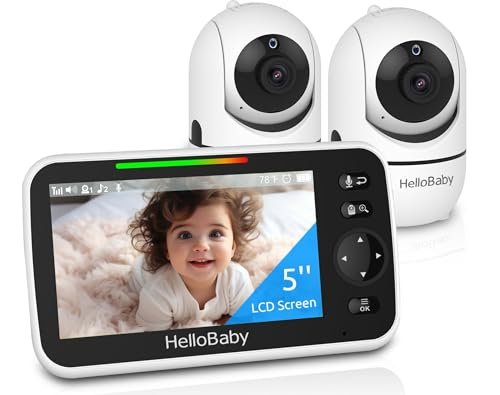
Basic baby monitors with audio and video are worthwhile for peace of mind, especially if your nursery is far from your bedroom. Advanced features like temperature monitoring and movement detection can be helpful but aren't essential—focus on clear video quality and reliable range for your home size.
How do I decide between different baby carriers for my lifestyle?
Choose based on how you'll use it: structured carriers work well for longer outings and back support, wraps suit newborns and quick errands, and soft carriers offer versatility for most daily situations. Test different styles if possible, as comfort and fit vary significantly between brands and individual preferences.
What's the difference between gear for a first baby versus subsequent children?
First-time parents often buy more items to feel prepared, while experienced parents typically buy only what they know they'll use repeatedly. Second babies may need less furniture but sometimes require duplicate travel gear (extra car seats, portable change stations) depending on your family's schedule and spacing between children.
How much should I spend on nursery furniture like cribs and high chairs?
Mid-range options ($150-300 for high chairs, $200-500 for cribs) offer good safety and durability without premium markups; budget more for items used daily and longer-term. Prioritize safety certifications and adjustability features that grow with your child rather than aesthetics, which won't matter once your baby outgrows the furniture.


