

Baby Gear Buying Guide: What to Look For in 2026
⚡ Quick Answer
As a mom who's navigated the endless aisles of baby stores and scoured reviews late into the night, I know firsthand how overwhelming it can be to choose the right gear. Your choices today will impact the safety, comfort, and everyday ease of caring for your little one — and you'll want gear that truly survives the chaos of toddlerhood. I'm here to share honest, practical guidance based on real-world use, so you can feel confident in your decisions and spend less time second-guessing.
Our Top Picks
Affiliate disclosure: if you buy through these links, we may earn a commission at no extra cost to you.
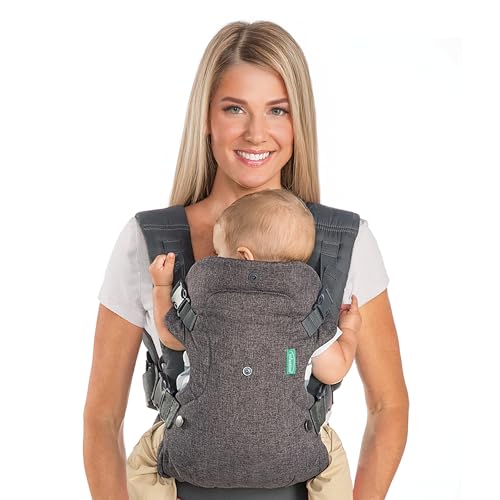
Table of Contents
- Baby & Toddler Gear Overview
- Strollers & Travel Systems
- Car Seats: Safety First
- Baby Monitors: What to Know
- Nursery Furniture & Safety
- Toys & Development
- Diaper Bags & On-the-Go Essentials
- High Chairs & Feeding Gear
- Baby Carriers & Toddler Wraps
- Toddler Safety Gear & Protectors
- Frequently Asked Questions
- Conclusion
Whether you’re shopping for your newborn or a toddler on the go, this guide will help you prioritize what truly matters — safety, durability, and ease of use over fancy features or marketing fluff. Let’s cut through the noise and get you equipped for the journey ahead.

Baby & Toddler Gear Overview
Choosing the right gear isn’t about fancy features; it's about what lasts, what keeps your baby safe, and what fits into your busy life. Basics like car seats, strollers, and nursery furniture should be sturdy, easy to clean, and designed with safety in mind. Think about how you’ll use each item — will it survive spills, trips to the park, or long car rides?
Spending a little extra on well-built, trusted brands often pays off in durability and safety. Also, pay attention to weight limits and age recommendations — gear that’s outdated or not designed for your child's current size can be unsafe or inefficient.
Strollers & Travel Systems
When selecting a stroller, focus on durability, ease of folding, and how well it handles different terrains — especially if you live somewhere with uneven sidewalks or plan outdoor adventures. Check that the seat reclines fully for naps and has a secure harness. Many parents underestimate how quickly their baby outgrows a stroller’s weight limit or features.
Remember, a stroller might be your toddler’s main ride for years. Prioritize durability over super-lightweight frames — sometimes, a slightly heavier stroller lasts much longer and handles rougher terrain better.
Car Seats: Safety First
Investing in a high-quality car seat is non-negotiable. Look for models that meet or exceed safety standards and are compatible with your vehicle. Convertibility seats that grow with your child, from rear-facing infant to booster, can save money and space. Always install with the LATCH system or check your vehicle’s safety features.
Check reviews for real-world durability—will it survive a toddler’s rock-solid tantrums or a quick, messy toddler snack? Remember, the best seat isn’t just safe; it’s easy to install correctly and fits your car well.
Baby Monitors: What to Know
An honest, reliable monitor lets you rest easier. Opt for models with good battery life, range, and clear audio/video. Cheaper monitors often falter with interference or have awkward interfaces. For older models, a basic audio monitor still offers peace of mind, while video monitors help new parents watch little one rest or play.
Always test signal quality in different parts of your home and outdoors if needed. Remember, a monitor is about peace of mind—choose one that actually works when you need it most, not just the latest gadget.
Nursery Furniture & Safety
Choose furniture with no sharp edges, sturdy construction, and non-toxic finishes. Cribs should meet safety standards—no drop sides, and slats that are close enough to prevent entrapment. For changing tables, look for secure straps and easy-to-clean surfaces.
Remember, secure wall anchoring prevents tipping, a common hazard. Focus on simplicity—less clutter and fewer hiding spots make a safer nursery environment.
Toys & Development
Select age-appropriate toys that promote development without overwhelming. Soft, chewable teethers, textured books, and simple rattles stand up well to a lot of chewing, tearing, and tossing. Avoid small parts that risk choking and prefer durable, washable materials.
Invest in open-ended toys that encourage imaginative play and motor skills, which will last well beyond infancy.
Diaper Bags & On-the-Go Essentials
A diaper bag should be a reliable partner—big enough for all your essentials but not a clutter trap. Look for multiple compartments, waterproof linings, and easy-to-clean surfaces. Consider how easy it is to access items when you’re holding a squirmy toddler or managing supplies one-handed.
Choose a style that suits your lifestyle—backpack, tote, or messenger—so you can keep your hands free for the important stuff: your child.
High Chairs & Feeding Gear
Durability and ease of cleaning are key when selecting a high chair. Look for models with a stable frame, secure harness, and removable, washable trays. Still, even the sturdiest chair won't be safe if it tips easily; test stability before buying.
As your child grows, consider chairs that convert into small tables or more furniture-like pieces. Surviving spills and messes is part of the process, so materials matter more than the bells and whistles.
Baby Carriers & Toddler Wraps
Comfort, safety, and fit make all the difference in carriers. Soft, breathable fabrics that support your baby’s hips and prevent slumping are best. Try on different styles before deciding—what fits for your friend might not work for your body and baby.
Durability also matters—washable fabrics and sturdy buckles will stand up to baby drool, snacks, and messy adventures.
Toddler Safety Gear & Protectors
As your toddler becomes more mobile, safety gear like helmet helmets, knee pads, and window guards become essential. Select well-fitting protective gear made from durable, impact-resistant materials. Don’t skimp; a helmet that’s too loose isn’t protective.
And remember, safety gear doesn’t replace vigilant supervision—but it gives extra peace of mind during those first daring toddle adventures.
Frequently Asked Questions
How do I know if a car seat is truly safe?
Look for seats that meet or exceed federal safety standards, have good crash test ratings, and are easy to install correctly. Reading reviews and getting professional assistance with installation also helps.
What’s the most important feature in a stroller for a toddler?
Durability, stability, and ease of maneuvering. Choose one with a secure harness, full recline if napping, and test it in-store if possible.
Are expensive nursery furniture sets worth it?
Not always. Focus on safety, non-toxic finishes, and sturdiness. Modular or convertible furniture can save money and space long-term.
What toys are safest and most developmentally appropriate?
Choose soft, BPA-free, and age-appropriate toys that are durable and do not have small parts. Open-ended toys promote creativity and last through different stages.
How often should I replace baby gear?
Check for recalls, wear and tear, and safety updates at least annually. Replace anything showing damage or that no longer fits your child’s size or needs.
Conclusion
Choosing the right baby and toddler gear in 2026 is about balancing safety, durability, and practicality. Spend time researching trusted brands, testing items before purchase when possible, and prioritizing items that will stand up to toddler chaos. Remember, your best gear is the one that keeps your little one safe, helps you stay sane, and lasts through all those adventures. Take it step-by-step, trust your instincts, and don’t be afraid to ask for help from real-world parents or professionals. You’ve got this!


