

How To Select Baby Bath Gear For Sensitive Skin
For sensitive skin choose natural, breathable fibers like organic cotton or bamboo-blend towels and washcloths — they’re soft, less likely to irritate, and usually free of harsh finishes. Muslin or single-ply cotton for face cloths is gentle and dries quickly; terry can be very absorbent but holds moisture longer, so pick a quick-dry blend if mildew is a concern. Look for products labeled OEKO-TEX or GOTS-certified to cut down on chemical residues that can aggravate eczema.
Table of Contents
Our Top Picks
Affiliate disclosure: if you buy through these links, we may earn a commission at no extra cost to you.


Factors to Consider
Material choice: soft, breathable fabrics matter
Ingredients and product claims: what to avoid
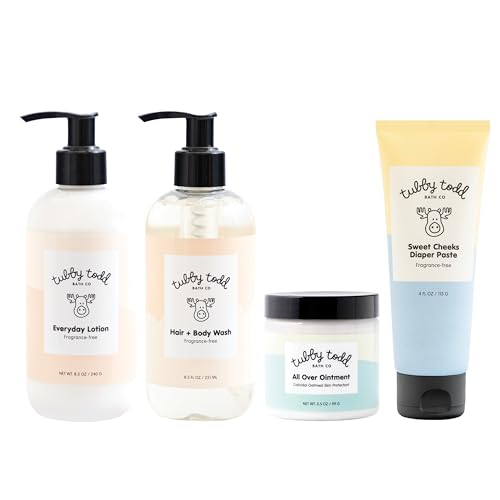
For cleansers and soaps, skip anything with fragrance, essential oils, SLS/SLES, parabens, or dyes — these are common triggers for redness and itch. Choose mild, pH-balanced, hypoallergenic formulas with very short ingredient lists, and don’t be swayed by vague claims; always read the ingredients. If your baby is seeing a dermatologist, take that product list to your appointment so you can confirm what’s truly safe.
Temperature, safety, and real-world use
Babies with sensitive skin can react to hot water, so aim for lukewarm baths around 98–100°F (37–38°C) and use a bath thermometer or a faucet limiter for consistency. Never leave a child unattended — bath seats and supports are helpful, but they aren’t babysitters. Consider a tub with a non-slip base and rounded edges; robust plastics and reinforced seams mean it’ll survive a curious toddler who loves to climb.
Cleaning, drying, and mold prevention
Anything that stays wet will grow mold, and mold irritates sensitive skin, so pick bath gear that’s easy to wash and quick to dry. Machine‑washable towels and cloths, open‑design toys or silicone toys without water-trap cavities, and a bath sponge that can be hung to dry will reduce problems. Wipe and air-dry infant tubs between uses, and deep-clean toys and mats on a weekly schedule with hot soapy water or a diluted vinegar rinse.
Fit, support, and durability for different ages
Newborns need more head and neck support, so look for tubs with removable newborn inserts or slings that are secure and machine washable. For older babies and toddlers, choose a larger tub or one that converts so you’re not buying twice — check weight limits and how the material holds up to splashing and sun if you store it outdoors. Reinforced seams, non-fade prints, and dishwasher- or top-rack‑safe accessories mean the gear will survive everyday use and the occasional cranky toddler test.
Frequently Asked Questions
What materials are safest for babies with eczema?
Stick with natural fibers like organic cotton or bamboo blends — they’re soft, breathable, and less likely to be treated with irritating finishes. Look for certifications like GOTS or OEKO‑TEX to reduce chemical exposure, and avoid synthetic fabrics next to the skin when possible.
Are silicone bath toys better for sensitive skin than traditional plastic toys?
Yes—solid silicone toys are non‑porous, easy to sanitize, and don’t trap water the way hollow plastic toys do, which reduces mold and bacterial growth that can irritate skin. If you prefer plastic, choose toys that open fully or are dishwasher-safe so they can be dried and cleaned thoroughly.
Can I use regular baby wash on eczema-prone skin?
Only if it’s fragrance-free, pH-balanced, and free of common irritants like sulfates, dyes, and parabens; otherwise it’s safer to pick a cleanser formulated for sensitive or eczema-prone skin. When in doubt, do a small patch test on the forearm and consult your pediatrician or dermatologist.
How often should I wash bath towels and washcloths?
Wash towels and washcloths after 2–3 uses, or sooner if they remain damp or are used on broken skin. For sensitive skin, use a gentle, fragrance-free detergent and skip fabric softeners, which can leave residues that irritate.
Is tap water okay for baby baths, or should I filter it?
Most city tap water is safe, but if your water is hard or has a strong chlorine smell, a simple showerhead filter or a short home filter can help reduce irritation. Letting hot water run for a bit to dissipate chlorine and testing temperature carefully will also make baths gentler on sensitive skin.
How do I test bath temperature safely every time?
A waterproof bath thermometer is the easiest way to get a reliable reading; otherwise test with your inner wrist or elbow — it should feel warm, not hot. Consider installing a faucet temperature limiter so the water can’t exceed a safe setting for additional peace of mind.
Are hooded towels better than regular towels for sensitive skin?
Hooded towels are great because they help dry babies quickly and keep them warm without rubbing too hard, which can upset delicate skin. Choose a soft, natural-fiber hooded towel and pat—don’t rub—the skin to avoid irritation.
Conclusion
Choose simple, well-made bath gear: soft natural fabrics, fragrance-free cleansers, and toys that don’t trap water. Prioritize easy cleaning and steady temperature control — those small choices make the biggest difference for sensitive skin. My go-to recommendation is a soft organic cotton hooded towel, a gentle hypoallergenic wash, and silicone toys that you can disinfect quickly.


