

Top Convertible Car Seats For Safety Conscious Par
🏆 Top Picks at a Glance
 #1
#1
Best Overall
Safety 1st Grow and Go All-in-One Slim Convertible Car Seat, Rear Facing, 5-40 lbs, Forward Facing (30–65 lbs), High Back Booster Seat 40-100 pounds, Black Phantom
$159.99
Check Price →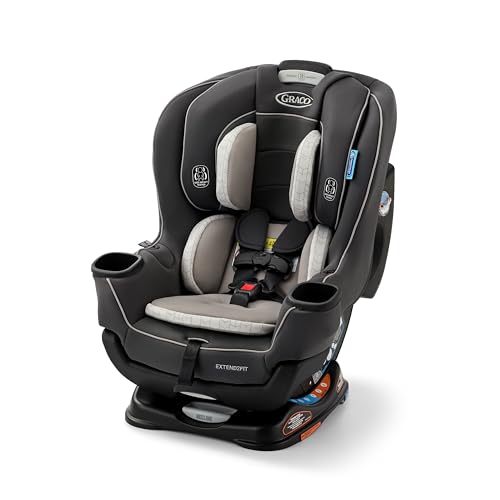 #2
#2
Runner Up
Graco Extend2Fit Convertible Baby Car Seat, Rear and Forward Facing, Adjustable Extension Panel for Extra Legroom, Redmond
$239.99
Check Price → #3
#3
Best Value
Graco Slimfit 3-in-1 Convertible Car Seat, Ultra-Space-Saving Design, Jarret, Suitable for Rear and Forward-Facing, Highback Booster Seat with 10-Position Headrest
$229.99
Check Price →Our Top Picks
Affiliate disclosure: if you buy through these links, we may earn a commission at no extra cost to you.
Factors to Consider
Crash protection and real-world durability
⚡ Quick Answer
Prioritize a seat with a strong shell, energy-absorbing foam (EPS or EPP), and good side-impact protection — these features actually make a difference in a crash. Look for seats with tested crash-performance notes and a five-point harness that stays snug under toddler use. Ask whether the cover and buckles can take daily spills and sticky hands; durable fabrics and a covered buckle keep the seat usable longer.
Table of Contents
Rear-facing limits: keep them back-seat facing as long as possible
Rear-facing is the safest position for toddlers, so choose a convertible seat with high rear-facing height and weight limits (many seats now support rear-facing past 40 pounds). That buys you extra protection when your child is squirmy or long-legged. Don’t switch to forward-facing just because your child looks cramped — check the manual for the exact height line and keep them rear-facing to the limit.
Installation and car fit — the most practical safety check
A seat is only as safe as how well it’s installed. Measure your back seat space, test the seat in your car if possible, and use both the vehicle manual and car-seat manual during installation; look for features like lock-offs, click-tight buckles, or a rebound bar that make tight installs easier. Remember that LATCH has combined weight limits and many families must switch to seat-belt installs as kids get heavier — know your car’s rules.
Ease of daily use: harness, adjustability, and cleaning
Busy parents need no-rethread harnesses, one-hand recline adjustments, and harness height increments that keep up with rapid growth. Check how the buckle behaves with cold fingers and sticky snacks — a shallow, easy-to-clean buckle is worth its weight in sanity. Also verify whether the cover is machine-washable and how easy it is to remove without disassembling the whole seat.
Longevity and resale value — think beyond babyhood
Convertible seats are an investment, so look at max forward-facing limits, whether it converts to a high-back booster, and expected usable life before expiration (usually 6–10 years). Avoid obscure models that are hard to find parts for or that had frequent recalls. If you plan to hand it down, choose a seat with durable padding and replaceable covers so it still looks—and works—well for the next kid.
Frequently Asked Questions
How long should my child stay rear-facing in a convertible car seat?
Keep your child rear-facing as long as they fit within the seat’s rear-facing height and weight limits — many convertible seats allow rear-facing well past age 2. The American Academy of Pediatrics recommends rear-facing until at least age 2, and staying rear-facing longer gives better protection for the neck and spine.
Can I use a convertible seat with a newborn?
Some convertible seats can be used for newborns if they have a newborn insert and a sufficiently low recline angle for tiny infants. However, many parents prefer an infant carrier or a convertible seat specifically designed for newborn positioning for the first months; always check the seat manual for minimum weight and required inserts.
Is LATCH or seat belt installation safer?
Both can be safe when done correctly. LATCH is usually easier for a tight install, but it has a combined weight limit (check your vehicle manual) and you may need to switch to the seat belt as your child grows; the best option is the one that gives you the least movement at the belt path and follows both manuals precisely.
How do I know if a convertible seat will fit in my car?
Measure your back seat width and the distance from the vehicle seat back to the seat cushion, then compare those numbers to the car seat’s dimensions listed by the manufacturer. If possible, try the seat in your car at a store or take advantage of in-person fit checks offered by many fire stations or child passenger safety technicians.
Can I buy a used convertible car seat?
Buying used is risky: don't buy a seat without a complete history, no crash involvement, unbroken harnesses, no missing parts, and an expiration date far in the future. Also check for recalls — unless you can verify these things, it’s safer to buy new because you get the full warranty and known condition.
How do I clean a car seat without damaging the safety materials?
Always follow the manufacturer’s cleaning instructions: most covers are machine-washable on gentle cycles, but the foam and shell should only be spot-cleaned. Avoid harsh chemicals, high-heat drying, or soaking the harness webbing, which can weaken fibers and compromise safety.
What features are worth paying extra for?
Prioritize easy, secure installation features (click-tight, clear belt routing), a high rear-facing weight limit, energy-absorbing foam, and a no-rethread harness for real daily convenience. Breathable, stain-resistant fabrics and replaceable covers are practical extras that keep the seat usable and less stressful over years of use.
Conclusion
Pick a convertible seat that nails installation and keeps your child rear-facing as long as possible — that combination gives the most real-world safety payoff. My short recommendation: prioritize strong crash protection, an easy and tight install system, and washable, durable materials so the seat survives everyday life with a busy toddler.


