

Best Convertible Car Seats for Spring Road Trips with Twins in 2026
🏆 Top Picks at a Glance
 #1
#1
Best Overall
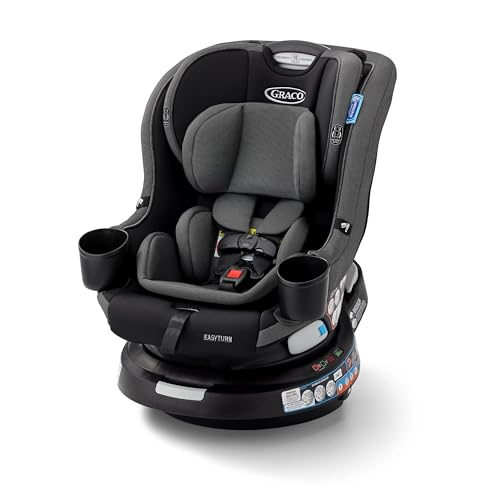
Graco EasyTurn 360 2-in-1 Convertible Car Seat, 360 Degree Rotating Infant to Toddler Rotating Car Seat, 2 Modes Forward and Rear Facing, Slim Design, Cyran
$349.99
Check Price → #2
#2
Runner Up
Graco Extend2Fit Convertible Baby Car Seat, Rear and Forward Facing, Adjustable Extension Panel for Extra Legroom, Gotham
$239.99
Check Price → #3
#3
Best Value
Graco Slimfit 3-in-1 Convertible Car Seat, Ultra-Space-Saving Design, Jarret, Suitable for Rear and Forward-Facing, Highback Booster Seat with 10-Position Headrest
$229.99
Check Price →Our Top Picks
Affiliate disclosure: if you buy through these links, we may earn a commission at no extra cost to you.
Factors to Consider
Rear-facing safety first: keep them back there as long as possible
⚡ Quick Answer
When you’re shopping for twins, the safest approach is to keep both kids rear-facing as long as the seat allows. The American Academy of Pediatrics recommends rear-facing to the maximum weight or height allowed by the seat; that position distributes crash forces across the back and spine, which is especially important for toddlers. If your twins outgrow the rear-facing limits of a seat, you’ll need to upgrade to a higher-weight model rather than rushing to forward-face. Remember, longer rear-facing is linked to lower risk of neck and head injuries in crashes.
Table of Contents
Easy, reliable installation matters more than fancy features
Choose seats with clear level indicators, simple belt-path routing, and built-in lockoffs to help you get a snug fit quickly. If you’re using LATCH, keep in mind many seats limit LATCH use once a child reaches about 40 pounds, so you’ll transition to seat belt at that point. A good test is to install once, then re-check by gently tugging at the belt path—the seat should move less than 1 inch. Look for machine-washable covers and simple harness adjustments to survive winter road-trip snacks and spill cleanup.
Size matters: two-across fit for twins
Two convertibles across the back seat can fit in many mid-size cars, but it’s not universal. Start by measuring your car’s back-seat width in inches and compare with each seat’s stated width. Slim-width models exist (often around 16.5-17.5 inches), which helps for two-across setups, but you’ll still be limited by buckle spacing and door clearance. If you drive a compact car, plan ahead and consider a narrower option or rearrange seating.
Longevity and daily use: built to last through spring road trips
Most convertibles are designed to last through 6-10 years and transition from rear-facing to forward-facing as your child grows, but always check the seat label for the exact expiration date. Look for durable, wipeable fabrics and harnesses that adjust with one hand so you can stay hands-on with twins on the road. Removable, machine-washable covers save you from the mess of snacks and spills that come with long car rides.
Frequently Asked Questions
Should I rear-face my twins for as long as possible?
Yes. The American Academy of Pediatrics recommends rear-facing to the maximum weight or height allowed by the seat, which is the safest option for toddlers. Keeping them rear-facing distributes crash forces across the back and neck more safely, reducing injury risk in a crash.
Can two convertible seats fit side-by-side in most cars?
Many mid-size cars can accommodate two convertibles across, but it's not universal. Measure your back-seat width and check the seat's stated width and buckle clearance before buying; slim-width models can help, but you may still run into tight buckles or door clearance.
How long do convertible car seats last before expiration?
Most convertible seats expire 6-10 years from the manufacture date, and you should check the date on the label before use. Do not use an expired seat even if it looks fine, as materials can degrade and performance isn’t guaranteed.
Do convertible seats need a base?
Most convertible seats install with the vehicle's seat belt, and some also offer a base to simplify angle control or LATCH installs. Follow the model’s manual—if you don’t plan to use the base, you can still get a snug fit with proper belt routing.
What safety features should I look for?
Look for a 5-point harness, a sturdy steel-reinforced frame, and good head/side-impact protection. Actual safety performance varies by model, so check independent crash-test results and user reviews for the specific seat you’re considering.
How can I ensure proper installation at home?
Use the seat’s built-in level indicators, test the belt path for less than 1 inch of movement, and if possible, have a certified Child Passenger Safety Technician inspect the install. Many communities offer free or low-cost checks at fire stations or local shops.
Should I replace a car seat after a crash?
In most cases, you should replace a car seat after a moderate or severe crash, even if there’s no obvious damage. The National Highway Traffic Safety Administration (NHTSA) and CPST guidance emphasize replacement to ensure the seat’s energy-absorbing parts aren’t compromised.
Conclusion
Spring road trips with twins go smoother when you pick a convertible seat that fits two across, rear-faces long, and installs without drama. If you can test-fit a couple of options in your car ahead of time and choose models with easy-clean fabrics, you’ll thank yourself on day one of the trip. Trust your gut after a quick test-fit and go with the seat that feels easiest to use every day.


