

Nursery Furniture Buying Guide: What to Look For in 2026
Our Top Picks
Affiliate disclosure: if you buy through these links, we may earn a commission at no extra cost to you.

Factors to Consider
Frequently Asked Questions
What's the safest crib type for a newborn?
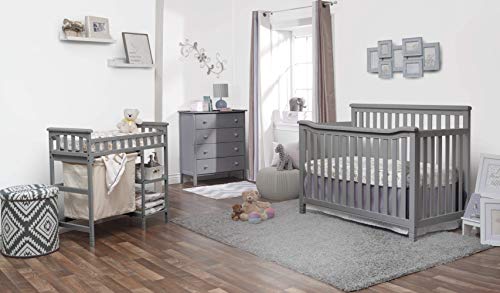
A full-size crib with a firm mattress, fitted sheets, and absolutely nothing else in it (no bumpers, pillows, or stuffed animals) is safest — the American Academy of Pediatrics' clear guidelines on this have reduced SIDS rates significantly. If space is tight, portable cribs and play yards are fine as long as they're CPSC-certified and the mattress is firm. Convertible cribs that grow from newborn to toddler bed are great long-term value, but make sure the conversion kit is included or readily available before you buy.
Do I really need a changing table, or can I use a dresser?
A dedicated changing table with safety straps and a contoured top is ideal because it's at the right height to reduce back strain and has safety features built in. That said, a sturdy dresser with a changing pad on top works perfectly fine if you use a safety strap and keep one hand on the baby at all times — the key is that the dresser must be stable and properly wall-anchored. Whatever you choose, never leave your baby unattended, even for five seconds, and keep supplies within reach so you're not turning away.
How do I know if nursery furniture is off-gassing harmful chemicals?
Look for furniture made from solid wood or engineered wood with low-VOC (volatile organic compound) finishes, and check product listings for third-party testing from organizations like Greenguard Gold. New furniture may have a smell that fades within days or weeks — that's usually normal off-gassing from adhesives and finishes — but if a strong chemical smell persists after airing out, contact the seller. Allowing the room to be well-ventilated for the first few weeks and choosing pieces from reputable manufacturers significantly reduces chemical exposure.
Should I buy new or secondhand nursery furniture?
Secondhand is fine and budget-smart for items like dressers, changing tables, and storage — just inspect carefully for stability, recalls, and damage. Avoid used crib mattresses, since they can harbor bacteria and mold, and be cautious with used cribs unless you know the full history; if it's been involved in any accident or has loose parts, it's not worth the risk. If you're buying secondhand, always check the CPSC recall database for that specific item before purchasing.
What nursery furniture will actually survive a toddler?
Solid wood pieces with minimal corners and a quality finish hold up best to climbs, bumps, and the occasional toddler-induced damage. Dressers should be wall-anchored to prevent tip-overs if your toddler tries to climb them, and avoid furniture with small removable parts or easily broken hardware. Changing tables with secure straps and a solid base are safer when you have a mobile toddler who might try to roll or climb off — mobility changes everything, so think ahead about what you'll need.
Is it worth investing in convertible furniture?
Convertible cribs, changing tables, and dressers are worth it if you plan to have multiple children or want pieces that grow with your baby from newborn through toddler years. A convertible crib that becomes a toddler bed and later a full-size bed spreads the cost over more years of use, making the per-year investment lower. Just make sure conversion kits are available, affordable, and actually easy to install before you commit — some convertible pieces are more marketing than practicality.
Conclusion
Nursery furniture should be a quiet, stable foundation for your baby's sleep and growth — not a source of stress or safety concerns. Prioritize certified pieces that feel solid, fit your space realistically, and honestly serve your daily routine over trends or Instagram-perfect aesthetics.
Take your time, measure twice, and trust your instincts: if something feels unsafe or flimsy in the store, it will feel that way at 3 a.m. when you're exhausted and need to trust your furniture completely.


