

How To Choose A Baby Monitor For Long Range Covera
Think beyond the box’s "up to" number and picture your house: walls, metal studs, appliances and floors all eat signal. DECT and FHSS radio monitors usually give the most reliable long-range audio inside a house and often maintain a stable connection to outbuildings; Wi‑Fi cameras can be viewed anywhere you have internet but depend on your router’s coverage and upload speed. If you need to monitor farther than your Wi‑Fi reaches, consider a monitor with a dedicated parent unit or plan for a mesh/extender to cover dead spots. Always test placement before relying on it overnight.
Table of Contents
Our Top Picks
Affiliate disclosure: if you buy through these links, we may earn a commission at no extra cost to you.

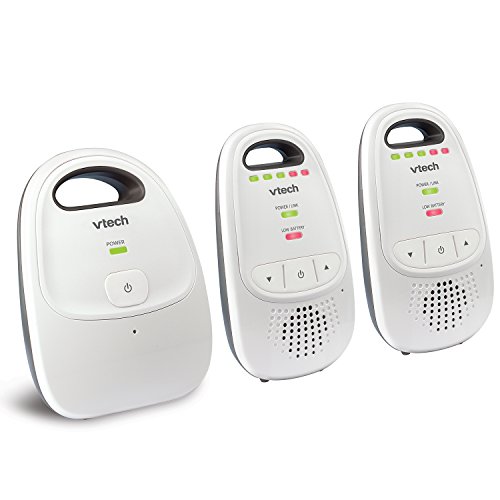

Factors to Consider
Range and signal type — will it actually reach the garage or granny’s house?
Audio quality and two-way talk — can you hear a whisper or just white noise?
Good audio matters more than a fancy screen if your priority is long-range coverage — a clear mic and noise suppression help you hear breathing, coughing, or a quiet stir. Two-way talk is handy for soothing from another room, but check latency and volume controls so you don’t startle the baby. Look for VOX (voice-activated) modes to save battery and cut down on background noise when you don’t need constant streaming.
Camera features, night vision, and toddler-proofing
For video monitors, choose cameras with true infrared night vision and adjustable brightness so you don’t wake the room with a bright screen. Mounting options matter: wall mounts and corner brackets keep cameras out of reach, and look for rounded, sturdy housings if your toddler is a climber. Prefer cameras with physical privacy shutters if you worry about accidental streaming, and avoid dangling cords — use short cord covers or hardwire mounts to prevent grabbing.
Battery life and portability — will it last a nap or a weekend away?
Battery life swings wildly between audio-only and video units, so match the type to your use: audio parent units can last days on a charge in VOX mode, while video units with active screens typically last 6–18 hours depending on brightness and streaming. If you travel or visit grandparents, choose a monitor with a rechargeable parent unit and simple pairing, or go with Wi‑Fi cameras if you need remote access from your phone. Look for power options that let you hardwire the baby unit but run the parent unit on battery for quick carrying.
Privacy, app features, and multi-camera needs
If you use Wi‑Fi cameras, prioritize brands with end-to-end encryption, regular firmware updates, and local storage options to keep footage off the cloud if that makes you more comfortable. Think about how many rooms you want to watch now and later — a system that lets you add cameras without replacing the whole setup is worth the extra upfront cost. Practical app features to look for: low-latency live view, reliable alerts, and a simple interface so you can check the feed quickly between chores.
Frequently Asked Questions
How far will a baby monitor actually reach inside a typical house?
Indoor range depends on construction: drywall homes will let signals travel farther than brick or homes with many metal studs and appliances. DECT and FHSS monitors usually provide the most consistent coverage across a property, while Wi‑Fi depends on your router and can be extended with mesh systems; always test the monitor in the exact rooms you plan to use.
Are Wi‑Fi baby monitors safe from hacking?
Wi‑Fi monitors can be secure if you choose brands that offer strong encryption, require updated firmware, and force password changes from defaults. For extra safety, use a separate guest network for cameras, enable WPA2/WPA3 on your router, and disable cloud access if you prefer local-only storage.
Should I buy audio-only or video if my main concern is long-range coverage?
Audio-only units generally give longer battery life and more consistent long-range performance because they use dedicated radio frequencies rather than streaming video. If you mainly need to know whether your child is awake or crying at a distance, audio will often be enough; add video if you want visual reassurance for things like climbing or nighttime safety checks.
How can I improve monitor range without buying a new system?
Move the parent unit higher and away from big appliances, avoid placing the baby unit in a cabinet or behind a crib rail, and keep the line of sight as clear as possible. For Wi‑Fi cameras, a mesh Wi‑Fi system or a dedicated extender near the camera can dramatically improve coverage; for DECT units, repositioning the base station often helps more than boosting the camera’s power.
What kind of battery life should I expect from video vs audio monitors?
Audio-only parent units on VOX mode can last 24–72 hours between charges depending on usage, while portable video parent units typically last 6–18 hours with intermittent viewing. If you need overnight reliability or travel use, look for models with battery-saving modes, a continuous power option, and clear specs on screen-on vs standby times.
Can I use a monitor for multiple children or rooms?
Yes — many systems let you pair multiple cameras to one parent unit or app and switch views easily. Make sure the system supports the number of cameras you need and that the parent unit or app handles split screens or easy toggling; otherwise you may spend more time tapping than actually checking on the kids.
Do baby monitors work between houses or at longer distances?
DECT and other radio-based monitors are primarily for on-property use and will struggle beyond line-of-sight ranges, so they aren’t reliable between houses. Wi‑Fi cameras paired to an app can be viewed from anywhere with internet, but that depends on upload speed at the camera’s location and the security of your remote connection.
Conclusion
For most parents needing long-range coverage, a DECT or FHSS audio system with a sturdy parent unit gives the most reliable, toddler-proof performance around the property, while a Wi‑Fi camera is great for remote viewing when paired with a strong mesh network. My recommendation: choose a rugged, wall-mountable baby unit with good audio and VOX for distance, and add a Wi‑Fi camera only where you need visual checks and your home Wi‑Fi is rock-solid.


