

How To Choose Baby Carriers For Plus Size Parents
Start by measuring your waist/hip circumference and torso length — many plus-size parents find that waistband fit matters more than dress size. Check the carrier's waistband range and strap lengths, and look for "plus" sizing or extender options so the waistband sits low and supportive over your hips or belly. If possible, try it on with the clothing you'll actually wear (coat vs. T‑shirt) to make sure the buckles and straps reach comfortably.
Table of Contents
Our Top Picks
Affiliate disclosure: if you buy through these links, we may earn a commission at no extra cost to you.

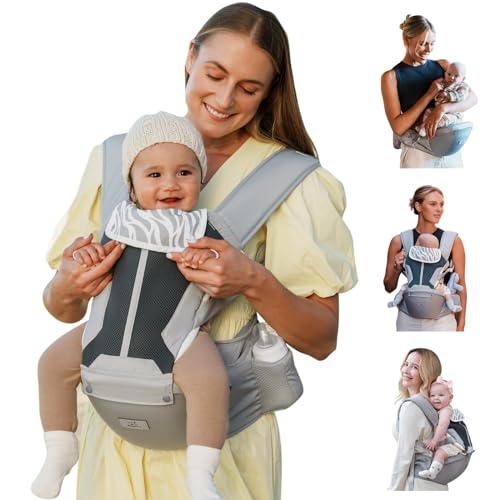

Factors to Consider
Sizing and fit: measure before you shop
Support and weight distribution: look for a real waistband and lumbar
For plus-size bodies, a wide, padded waistband and good lumbar support are non-negotiable — they move weight off your shoulders and make longer carries possible. Avoid carriers that rely only on slim straps; even with heavier babies or toddlers a solid hip belt and optional lumbar panel will feel worlds better. Check weight limits and stitching around the waist and straps to make sure they’re built to last when your toddler wants to be picked up and put down repeatedly.
Adjustability and ease of use: you want one‑hand adjustments and long straps
Choose carriers with long, easily adjustable straps and buckles you can reach without awkward contortions — you’ll be doing this with a wriggly kid and limited time. Look for step-in options or carriers with clear adjustment marks so you can tighten quickly and consistently each use. Also favor wide, padded strap ends and simple buckles that won’t bite into your shoulders when you’re rushing out the door.
Baby positioning and safety: keep the M‑shape and supported head
Make sure the carrier supports an ergonomic M‑shape for hips and allows baby’s knees to be higher than their bottom; this protects hips and keeps them snug and safe. For infants, check for reliable head and neck support that can be adjusted or rolled down as baby grows. Read owner reviews specifically for how the carrier holds a heavier toddler — sagging seats or stretched panels are common failure points if the carrier is undersized.
Materials, durability, and care: breathable, machine‑washable, and reinforced
Pick breathable fabric and a carrier that’s machine washable — spit‑up and snack explosions are inevitable, and you won’t want to hand‑wash every week. Inspect seams, bar‑tacked stress points, and the quality of the buckles; metal or heavy-duty plastic buckles last longer when toddlers start pulling. If you live in a hot climate, look for mesh panels or linen blends so both you and baby stay cooler on long carries.
Frequently Asked Questions
Are there carriers made specifically for plus-size parents?
Yes — some brands offer extended sizing or “plus” waistbands and strap lengths designed with larger bodies in mind. If you don’t see a plus option, look for carriers with very wide adjustable waistbands and long straps or buy a compatible waistband extender.
How do I measure myself to pick the right carrier size?
Measure the widest part of your hips or where you plan to wear the waistband, and also measure from the base of your neck to your shoulder and down your back for torso length. Compare those numbers to the carrier’s size chart and read owner reviews to see how it fits people with similar measurements.
Can I safely use a standard carrier if I’m plus-size?
Possibly, if the standard carrier’s waistband and straps fit your measurements and the weight limit is sufficient. But many standard carriers have shorter straps or narrower waistbands that become uncomfortable or unsafe with heavier toddlers, so double‑check sizing and reviews before buying.
Are wraps or slings better than structured carriers for plus-size bodies?
Wraps are very adjustable and can be a great fit across sizes, but they require practice and may not provide the same lumbar support for long toddler carries. Structured carriers with wide waistbands and adjustable straps generally give better weight distribution and are easier to use for everyday toddler wearing.
What should I look for if I want to carry a toddler or heavier baby?
Check the carrier’s weight limit, reinforced stitching, and the strength of buckles and webbing. Prioritize wide padded waistbands, good lumbar support, and a seat that won’t sag under stronger weight — reviews from parents who carry toddlers are especially helpful here.
How can I tell if my baby is sitting in a hip‑healthy position?
Their knees should be higher than their bottom in an M‑shape and their spine should be naturally curved, not forced straight. If the carrier allows you to bring baby close enough that you can kiss their head and you can see their airway is clear, those are good signs of a safe position.
Can I breastfeed in a carrier if I’m plus-size?
Yes, many carriers allow hands‑free nursing if you get the fit right; structured carriers with adjustable panels often offer more privacy and stability. Practice at home first and adjust the straps so baby sits high and close — you may need to loosen or tighten differently than someone with a smaller frame.
Conclusion
For most plus‑size parents, a structured carrier with a wide, padded waistband, long adjustable straps, and good lumbar support is the most practical everyday choice. Try before you buy when you can, read reviews from parents with similar measurements, and favor durability and easy adjustments — that’s the combination that survives toddlers and busy days.


