

Best Toddler Gear for Everyday Use
🏆 Top Picks at a Glance
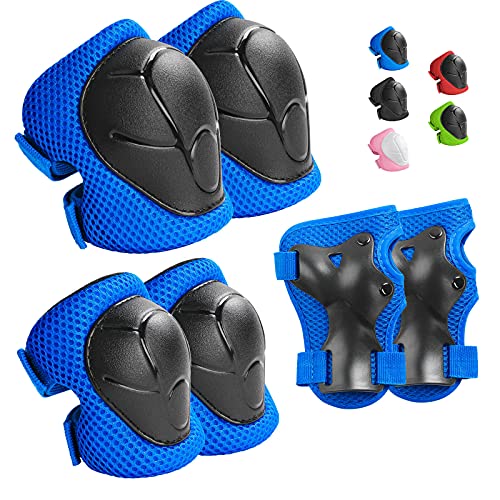 #1
#1
Best Overall
Kids Protective Gear Set Wemfg Knee Pads for Kids 3-8 Years Toddler Knee and Elbow Pads with Wrist Guards 3 in 1 for Skating Cycling Bike Rollerblading Scooter(Blue)
$16.99
Check Price → #2
#2
Runner Up
Educational Insights GeoSafari Kidnoculars - Toy Binoculars for Kids, Outdoor Toys for Kids Ages 4-8, Toddler Camping and Nature Toys, Lightweight Binoculars with Neck Strap, Bird Watching Gear
$12.79
Check Price → #3
#3
Best Value
Cute Castle Baby Sleep Sack 18-24 Months - Lightweight 100% Cotton 2-Way Zipper TOG 0.5 Infant Wearable Blanket, Newborn Essentials Toddler Sleep Clothes (3 Pack Green)
$18.99
Check Price →Our Top Picks
Affiliate disclosure: if you buy through these links, we may earn a commission at no extra cost to you.
Factors to Consider
Safety certifications and standards
⚡ Quick Answer
As a mom who’s chased a wiggly toddler through the store, safety certifications should be your first check, not an afterthought. Look for JPMA certification and labels that show compliance with ASTM standards or your region’s safety rules. For car seats, always note the expiration date and the weight/height limits, and never use an expired seat. After you buy, register the item with the manufacturer so you’ll get recall alerts and safety updates quickly.
Table of Contents
Comfort, fit, and everyday usability
Toddlers spend a lot of time in gear, so it has to feel comfortable and fit your child’s size. Choose harnesses that tighten easily with one hand and stay out of the way during transfers. Look for machine-washable fabrics and smooth, wipe-clean surfaces for spills and messes. A one-handed fold, light weight, and a compact fold will save you time on errands and trips.
Durability and materials for toddler wear and tear
Kids test gear every day with bites, puddles, and tugging, so durability matters. Pick sturdy frames—aluminum or reinforced steel—and fabrics that resist stains and repel water. Check for reinforced stitching, secure wheel assemblies, and strong harness anchors. Read care labels and warranty terms so you know what’s covered if sun fade or repeated wash cycles take a toll.
Longevity, adaptability, and value for growing kids
Growing with your child saves money and reduces waste, so look for convertible car seats, adjustable high chairs, and strollers that adapt as your toddler grows. Check the weight and height ranges to ensure gear lasts past the first year. If you can, choose modular designs that can switch modes or components without buying new pieces every year. A thoughtfully chosen setup means fewer replacements and a calmer shopping list for months to come.
Frequently Asked Questions
1. How do I know a stroller is safe for a toddler?
Look for a sturdy frame, a secure five-point harness, reliable brakes, and a design that won’t tip easily. Check the weight rating to ensure it matches your child’s size, and test folding and locking with your real load. If you can, read recalls or safety notices and ask for a quick in-store demo with your child’s weight in mind.
2. How do I know a car seat is installed correctly?
Have a CPST (Certified Passenger Safety Technician) check the installation or use the manufacturer’s instructions and the car’s belt path to minimize movement at the belt path. Use the recommended installation method (LATCH or seat belt) and confirm the seat angle is correct for your child. Many communities offer free installation checks—take advantage of them.
3. Rear-facing or forward-facing—what should I do?
The American Academy of Pediatrics recommends rear-facing as long as the seat allows, which means many toddlers stay rear-facing for years. Most convertible seats support rear-facing up to at least 40 pounds, giving you longer safety margins. Move to forward-facing only after reaching the seat’s rear-facing limit and your child’s height/weight fits the seat’s specs.
4. Are convertible high chairs worth it?
Yes. They grow with your child from infant feeding to early toddler seating, saving money and space. Make sure the chair has a sturdy five-point harness, adjustable height, and a dishwasher-safe tray. Also check that the folding mechanism is stable and easy to clean.
5. What features should I look for in a baby monitor?
Choose a monitor with encrypted transmission or a non-Wi‑Fi option to protect privacy. Look for a stable range, clear audio/video, and a parent unit with decent battery life. Two-way talk and helpful safety features like temperature alerts add peace of mind at bedtime.
6. How can I spot unsafe nursery furniture?
Crib slat spacing should be no more than 2 3/8 inches to prevent entrapment, and avoid drop-side rails or weak hardware. Check for current recalls on the CPSC site and ensure the item carries current safety certification. Assemble carefully and keep cords, heaters, and window treatments out of reach.
7. Is a diaper bag worth the extra money?
Durable bags with easy-clean linings and well-placed pockets save time on the go. Look for reinforced seams, wipe-clean fabrics, and comfortable straps. If you travel often, consider a bag that converts to a tote or backpack and fits standard stroller hooks.


