

Best Baby Sunglasses for Outdoor Spring Activities with Infants and Toddlers in 2026
🏆 Top Picks at a Glance
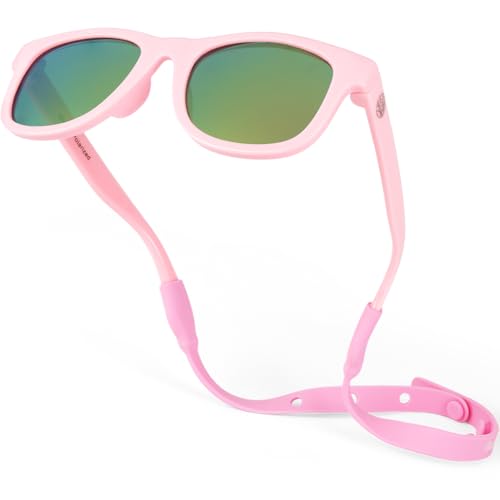 #1
#1
Best Overall
BABY SUNNIES Polarized Baby Sunglasses with Strap - Unbreakable Flexible Infant Sunglasses for Toddlers & Newborns 0-24 Months - Pink - Baby Beach Essentials - Infant Travel Essentials
$19.99
Check Price → #2
#2
Runner Up
BABY SUNNIES Polarized Baby Sunglasses with Strap - Unbreakable Flexible Infant Sunglasses for Toddlers & Newborns 0-24 Months - Sky Blue - Baby Beach Essentials - Infant Travel Essentials
$19.99
Check Price → #3
#3
Best Value
Baby BANZ Sunglasses – Ages 0-2 Years – Best Sunglasses for Babies & Toddlers – Industry Leading Sun Protection Rating – 100% UV
$17.0
Check Price →Our Top Picks
Affiliate disclosure: if you buy through these links, we may earn a commission at no extra cost to you.
Factors to Consider
UV Protection and Lens Quality
⚡ Quick Answer
Always look for UV400 protection on baby sunglasses. That means 100% UVA and UVB coverage so tiny eyes stay safe in bright spring sun. Reputable brands often align with standard lenses like ISO 12312-1 for kids, but check the label to be sure. If the lenses are polycarbonate, you’re getting impact resistance that helps in busy toddler life.
Table of Contents
Fit, Safety, and Materials
Choose wraparound or semi-wrap styles that stay on small faces, with flexible frames and a non-slip nose bridge. Avoid frames with sharp edges or metal parts that could pinch during active play. Look for kid-friendly features like soft temple tips and optional strap compatibility so glasses don’t go flying from a stroller or car seat.
Comfort, Weight, and Durability
Keep the weight light—ideally under an ounce (about 25 g)—so they’re barely noticeable on a toddler’s face. Polycarbonate lenses with scratch-resistant coatings help with day‑to‑day wear and quick wipe-downs after a park visit. A sturdy, impact‑resistant frame design matters when little hands constantly explore their surroundings.
Practical Features and Maintenance
Look for adjustable temple tips, a secure nose pad, and a strap or clip option to attach to a stroller hood or car seat. Consider lens tint variations for different activities, but remember: tint is about comfort, not safety—the UV protection matters most. Clean with mild soap and water and store in a soft case to protect against scratches when not in use.
Frequently Asked Questions
What age should my child start wearing sunglasses?
Experts often start sun protection around 6 months when babies begin spending more time outdoors. Choose a tiny pair with UV400 protection and a secure, comfortable fit to make outdoor time safer and easier.
How can I tell if they fit correctly?
Frames should sit securely without pinching, and the eye line should align with the child’s eyes while offering wraparound coverage. If the arms constantly slide or you can pinch the nose bridge, try a smaller size or a different style with a softer, flexible frame.
Are polarized lenses better for kids?
Polarized lenses reduce glare on water, snow, and shiny surfaces, which can be helpful during outdoor activities. They aren’t always necessary for every day, and some kids may find them harder to see through in dim light or when viewing screens, so weigh your daily use before choosing.
Should I use a strap?
Yes—straps help prevent glasses from getting lost during fast-paced play or stroller walks. If you don’t love a strap, look for frames with a secure, grippy temple design so they stay put more reliably.
What about lens color and tint?
Lens color mainly affects comfort; UV protection is the key safety feature and should be UV400 regardless of tint. Lighter tints aren’t inherently safer, but they can be easier on very young or sensitive eyes on bright but not blinding days.
How should I clean and store baby sunglasses?
Wash with mild soap and lukewarm water, then dry with a soft cloth to avoid scratches. Store in a protective case when not in use and avoid placing them where a toddler can stomp on them or reach for small parts.
What if my child refuses to wear sunglasses?
Let them pick a fun color or character and model wearing them together. Start indoors for a few minutes, then introduce them outside on mild days to build a routine without turning it into a battle.


