

Best Baby Carriers For Fourth Of July Fireworks Wi
🏆 Top Picks at a Glance
 #1
#1
Best Overall
Momcozy Baby Carrier with Hip Seat, 2-in-1 Forward-Facing Carry for Long Walks, Detachable Hands-Free Infant Carrier up to 44lbs, All Seasons Toddler Carrier Fits Waist Sizes up to 45 Inches, Black
$63.99
Check Price → #2
#2
Runner Up
Momcozy Baby Carrier - Ergonomic, Cozy and Lightweight Carrier for 7-45lbs, Effortless to Put On, Ideal for Hands-Free Parenting, Enhanced Lumbar Support, Purehug for Infant to Toddler, Black
$49.99
Check Price →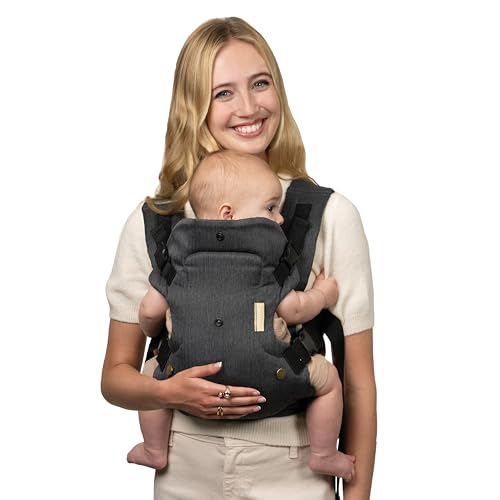 #3
#3
Best Value
Infantino Flip Luxe 4-in-1 Convertible Baby Carrier, Ergonomic Infant to Toddler Carrier, Updated Lumbar Support, Premium Herringbone Fabric, Elevated Accents, Hands-Free Comfort, 7–35 lbs, Onyx
$39.99
Check Price →Our Top Picks
Affiliate disclosure: if you buy through these links, we may earn a commission at no extra cost to you.
Factors to Consider
Frequently Asked Questions
Can I use a regular stroller instead of a carrier for fireworks?
You can, but a carrier is often smarter. Crowds at fireworks get dense, and a stroller takes up space and can be hard to maneuver; plus, if your toddler gets scared, being held and close to you is more comforting than sitting in a stroller. A carrier keeps your hands semi-free for snacks or a blanket, and it's easier to move through crowds quickly if you need to leave.
What's the difference between soft carriers and structured carriers?
Soft carriers (wraps, slings, buckle carriers without a frame) are lighter and more packable, while structured carriers have an internal frame or reinforced panels that distribute weight better for longer periods. For fireworks with a toddler, structured carriers generally win because you'll be wearing it for an hour straight and carrying significant weight. The trade-off is that they take up more space in a bag, but the comfort difference is real.
Should I bring ear protection for my toddler at fireworks?
Yes—pediatricians recommend earplugs or earmuffs rated for kids if you're going to be close to fireworks. Many toddler-sized options exist (search "kids earmuffs fireworks"), and pairing these with a supportive carrier that keeps them close to you is the best noise management strategy. Even with protection, sitting back further from the launch area is safer than being right up front.
How do I keep my toddler calm in a carrier during fireworks?
Preparation helps a lot: talk about the fireworks ahead of time, let them see videos, and bring comfort items like a favorite toy or blanket. During the show, keeping them physically close and secure (which a carrier does), plus narrating what's happening in a calm voice, helps them feel grounded. If they get really overwhelmed, it's completely okay to step back or leave early—your toddler's nervous system matters more than staying for the finale.
What's the best carrier for a toddler who fidgets or tries to climb out?
You want a carrier with secure straps and a snug fit that doesn't leave gaps—buckle carriers or structured wraps with good side support work better than open slings for escape artists. Some carriers also have chest straps that clip in front, which makes it harder for wiggly toddlers to squirm free. Try it on at a store with your actual toddler if possible, so you know how secure it feels before you're standing in a crowd.
Can I use a carrier if I'm pregnant or have back problems?
Yes, but you need an ergonomic carrier with a solid waistband and padded straps—poor support will make your back or pregnancy discomfort worse fast. Consider a structured carrier designed for weight distribution rather than a wrap, and honestly, if your back is already compromised, a stroller or having a partner hold the toddler might be the smarter choice for this specific event. Your health matters too.
Conclusion
The right baby carrier for fireworks combines comfort for you, security for your toddler, and practical features like good closure systems and reliable weight capacity. You're not looking for the fanciest option—you're looking for one that will keep your kid calm and close while you're both navigating crowds and handling a new sensory experience together.
If I had to pick the most important factor: choose a carrier that feels secure and comfortable for a solid hour of wear, because a fussy parent and a fussy toddler in a bad carrier will tank the whole evening faster than anything else. Your comfort matters because your calm rubs off on your little one.


