

How to Choose the Right Toddler Gear
When choosing any gear for your toddler, safety is the top priority. Look for certifications—like JPMA for furniture or applicable safety standards for car seats and strollers. Read reviews carefully—parents’ real-world reports can reveal issues formal testing might miss.
For example, a car seat should fit your child's size and weight, but also be installed correctly—so never skip the manual or the professional installation option if available. Strollers must be sturdy, with easy-to-use brakes, and harnesses that truly keep your toddler secure. Don’t forget, your gear should be easy for both you and your little one to use safely every day.
Table of Contents
- Our Top Picks
- Safety First: The Non-Negotiable
- Strollers & Car Seats: Mobility That Grows with Your Toddler
- Nursery Furniture & Infant Toys: Creating a Safe, Stimulating Space
- Diaper Bags & High Chairs: Convenience Meets Comfort
- Baby Carriers & Toddler Safety Gear: Keeping Them Close & Protected
- Frequently Asked Questions
Our Top Picks
Affiliate disclosure: if you buy through these links, we may earn a commission at no extra cost to you.


Safety First: The Non-Negotiable
Strollers & Car Seats: Mobility That Grows with Your Toddler
Choosing a stroller or a car seat isn’t just about how it looks—it’s about how it performs in real life. Consider your typical daily routes: do you mainly walk in urban environments, or do you need something rugged for rough terrain? For car seats, ensure compatibility with your vehicle and your child's size. A convertible seat that transitions from rear- to front-facing can save money and hassle long-term.
Test the stroller with your toddler—can it fold easily? Does it lock securely? Is the seat comfortable and adjustable? When evaluating car seats, check that straps are easy to tighten but stay secure, and that the seat has proper side-impact protection.
Nursery Furniture & Infant Toys: Creating a Safe, Stimulating Space
When selecting nursery furniture, stability is key. Cribs should meet current safety standards—slat spacing, mattress support, and the absence of drop-sides matter. Choose a changing table with enough storage to keep everything within reach, reducing the risk of falls or dropping items.
For infant toys, focus on age-appropriate options that are free of small parts, sharp edges, and choking hazards. Soft, washable toys and sensory items are great choices for your little one’s development and safety.
Diaper Bags & High Chairs: Convenience Meets Comfort
Look for diaper bags with multiple compartments, sturdy straps, and easy-to-clean materials. Comfort features like padded straps and lightweight design matter when hauling essentials around all day.
High chairs should be stable and have a secure harness system. Adjustable height and removable trays make cleaning and adapting to growth easier. Check that the material is durable and free of harmful chemicals—your little one will be gnawing on everything, after all.
Baby Carriers & Toddler Safety Gear: Keeping Them Close & Protected
When using baby carriers, ensure they fit your body and your child's size properly. Look for ergonomic designs that support your back and distribute weight evenly—toddlers can get heavy fast! Always follow the manufacturer’s instructions for secure fastening, especially during longer outings.
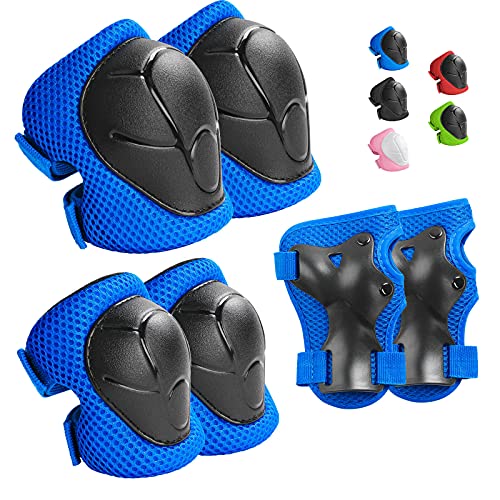
Toddler safety gear—like helmet and padding—should fit snugly and be comfortable. Regularly check for wear and tear, and don’t forget to supervise their play area to keep everything safe and hazard-free.
Frequently Asked Questions
How do I know if a car seat will fit in my car?
Take measurements of your vehicle’s back seat, and compare them to the car seat’s dimensions. Many stores will let you test fit, or consult online compatibility guides from manufacturers.
What’s the best stroller for travel?
Look for a lightweight, compact fold stroller with decent suspension. It should be easy to carry and fit into overhead compartments or trunks without fuss.
Are there safe options for used nursery furniture?
Yes, but only if it’s in good condition, free of recalls, and meets current safety standards. Avoid drop-side cribs, and always check for secure slats and no sharp edges or peeling paint.
How do I pick the right kind of baby carrier?
Consider your body type, how long you'll wear it, and your toddler’s age/size. Ergonomic, front-facing carriers are great for longer wears, while wraps or soft structured carriers suit different needs.
What should I look for in toddler safety gear like helmets and padding?
Ensure proper fit—snug but comfortable—and check for certification labels. Regularly inspect for damage, and replace gear as needed.
Choosing the right toddler gear takes some initial effort, but it pays off in safety, comfort, and peace of mind. Focus on durability, ease of use, and constant safety checks. Your little one’s happiness and your confidence will thank you.
Now, take a deep breath, do your research, and pick gear that works for your busy family. You’ve got this—your toddler’s adventures are just beginning!


