

How To Choose The Right Littlegearguide Setup In 2
Whether you're gearing up for a new baby, a growing toddler, or a school-age learner, the right gear makes parenting feel less like you're constantly problem-solving and more like you actually have a plan. I've tested and researched the essentials that parents reach for again and again—the ones that survive sticky fingers, survive the diaper bag, and actually do what they promise. Here's what you need to know to build a setup that works for your family, not against it.
⚡ Quick Answer: Best Baby Gear
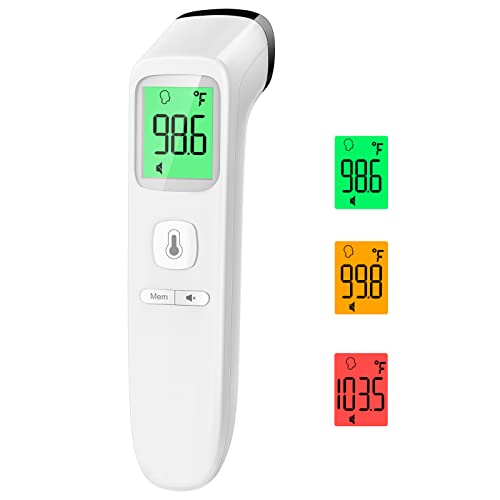
Accurate Fever Detection: No-Touch Thermometer for Adults and Kids, Accurate Digital Baby Thermometer, Fever Alarm & Silent Mode, 2 in 1 Forehead & Object Mode
$16.98 — Check price on Amazon →
Table of Contents
Main Points
- Accuracy matters more than speed: A no-touch thermometer that reads consistently—even if it takes a few seconds—is worth more than a flashy model that gives you different numbers each time. Look for silent mode if you're checking fevers on sleeping kids, and forehead-plus-object modes so one tool works for bottles, bathwater, and peace of mind.
- Sensory toys for babies 0-12 months should be washable, lightweight, and designed to survive being chewed: Wrist rattles and foot finders keep tiny hands busy during tummy time and car rides without adding clutter. Choose sets with varied textures (not all the same material) to develop tactile awareness.
- STEM toys at ages 3+ need an off switch: Dual-mode gear sets that work both electric and manual keep kids engaged longer and teach problem-solving instead of passive watching. Manual mode also means you're not replacing batteries constantly or managing screen-time guilt.
- Small parts are a real hazard until age 3, even if the box says otherwise: If you have multiple kids or frequent toddler visitors, a 3+ STEM set needs a dedicated storage spot your littlest can't access. One missing gear piece later and the whole toy stops working.
- These three categories work best as a coordinated system: Start with health tracking (thermometer), add sensory engagement for babies (wrist toys), then build learning into playtime (STEM toys) as they grow. This progression grows with your child instead of cluttering your house with single-use items.
Our Top Picks
Affiliate disclosure: if you buy through these links, we may earn a commission at no extra cost to you.


Factors to Consider
Safety Certifications Matter More Than You'd Think
Before anything else, check for CPSC, JPMA, or ASTM certifications depending on the product—these aren't just letters, they're proof that gear has been tested for real hazards like tip-overs, sharp edges, and toxic materials. A certified car seat or crib might cost a bit more, but it's literally protecting your child's life. Don't let marketing claims substitute for actual third-party testing; if it doesn't list certifications prominently, that's a red flag.
Durability = Money Saved (and Sanity Preserved)
Baby gear gets destroyed. Strollers take curb hits, high chairs get covered in mystery substances, and carriers get sweated on during summer walks. Invest in gear made from reinforced fabrics, sturdy frames, and easy-to-clean materials—it'll last through multiple kids and actually hold its resale value. The cheapest option often means replacing it in six months, which costs way more than buying quality upfront.
Size and Fit in Your Real Life
That beautiful stroller won't help if it doesn't fit in your car trunk or your apartment entryway. Measure your spaces, think about how you actually move through your day, and be honest about storage. A bulky travel system might be "all-in-one," but if it stresses you out to deploy it, you won't use it—and that defeats the purpose.
Weight and Portability Affect Daily Use
Lighter isn't always better (durability matters), but a carrier that weighs 15 pounds instead of 20 makes a real difference when you're wearing it for two hours. Similarly, if you regularly move between cars or homes, prioritize gear that's genuinely portable without becoming fragile. Read real parent reviews about weight—not the specs, but what people say about living with it daily.
Resale Value Isn't Shallow, It's Smart
Quality brands hold their value because other parents trust them, so buying something in good condition secondhand is both budget-friendly and environmentally smarter. Stick with established brands that have consistent safety records and easy-to-find replacement parts. Avoid ultra-trendy colors or designs unless you love them; neutral tones and classic styles resell faster if you're not keeping gear long-term.
Frequently Asked Questions
Is it worth buying premium car seats, or is a basic model fine?
Premium doesn't mean safer—all car seats meeting federal standards protect equally in crashes. What you're actually paying for is convenience features like easier installation, nicer fabrics, and better recline options. Unless those extras genuinely matter to your routine, a solid mid-range or even basic model does the job; spend that money elsewhere if you prefer.
How do I know if a stroller will actually fit my lifestyle?
Test it if possible before buying—unfold it in the store, push it around, lift it into a car. Ask yourself: Do I have trunk space? Will I navigate narrow doorways or crowded spaces regularly? Do I use public transit? Your ideal stroller is the one you'll actually use without frustration, not the one with the most features.
Are expensive baby monitors worth it, or will a basic one do?
Research shows parents feel most reassured by monitors with video, two-way audio, and room temperature readings—those are genuinely useful, not just nice-to-have. You don't need WiFi connectivity for safety (a local monitor is actually more secure), so skip expensive "smart" features unless you have a specific reason to check on your baby remotely while away from home.
What's the best way to buy secondhand baby gear safely?
Avoid secondhand car seats (crash history is unknown), cribs (safety standards improved significantly), or anything with recalls—check the CPSC database first. Strollers, carriers, monitors, and furniture are generally safe used if they're clean, functional, and from non-recalled batches. Buy from trusted platforms with buyer protection, and always ask detailed questions about condition and any damage.
How much should I really spend on a baby carrier?
A quality carrier costs $100-200 but lasts through multiple kids and resells well; a cheaply made one might cause neck strain for you or be uncomfortable for baby. The sweet spot is a mid-range carrier with good reviews about ergonomics, adjustability for different sized caregivers, and washable fabric—it doesn't have to be the most expensive option to be the right choice.
Do I need all the matching gear from one brand, or can I mix and match?
You absolutely can mix and match—matching crib bedding sets, for example, aren't safer than individual quality pieces, so don't feel pressured to buy a whole system. Buying the best stroller, the best car seat, and the best diaper bag from different brands often beats buying a mediocre "system" from one place. Prioritize each piece individually based on what matters most for that specific gear.
What gear do I actually need versus what's just marketed hype?
The essentials are: a safe sleep space (crib, bassinet, or play yard), a car seat, a way to carry baby (stroller or carrier), and feeding gear appropriate to your method. Everything else—wipe warmers, diaper pails, blackout curtains—is genuinely optional and depends on your values and budget. Start minimal and add only what actually solves a problem you're experiencing, not problems you're imagining.
Conclusion
Choosing the right littlegearguide setup comes down to three things: prioritizing safety certifications, being honest about your lifestyle, and investing in durability over trend. The best gear isn't the most expensive or the most feature-packed; it's the gear that actually works for how you parent, fits in your spaces, and lasts long enough to feel like a real investment.
Start with the essentials, read real parent reviews (not just marketing copy), and give yourself permission to skip the stuff that doesn't match your real life. You've got this—trust your instincts, do your homework, and remember that the "best" setup is the one that makes your day easier, not harder.


