

how to choose the right baby carriers for summer hiking with infants and toddlers in spring 2026
Our Top Picks
Affiliate disclosure: if you buy through these links, we may earn a commission at no extra cost to you.

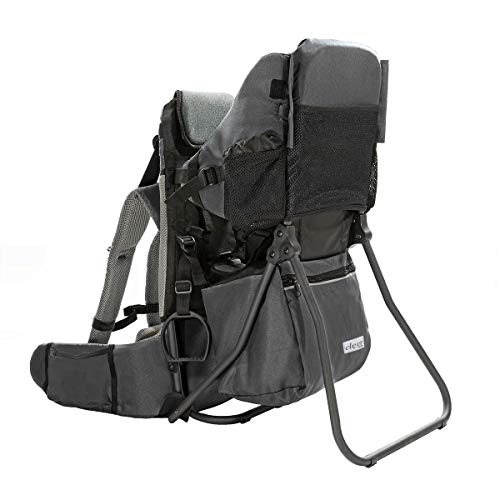
Summer hiking with little ones isn't just possible — it can be genuinely enjoyable if you have the right gear. The biggest mistake I see parents make is either strapping a baby into a carrier designed for mall strolls or, worse, attempting a mountain trail with a 22-pound toddler in their arms. A good hiking carrier keeps your baby comfortable and secure while distributing weight properly so your back doesn't remind you of this decision for days afterward.
Here's what I've learned from testing carriers on everything from gentle nature walks to actual elevation gains, and from talking with parents who hike regularly with babies and toddlers: the right carrier depends on your child's age, the terrain you're tackling, and how long you actually want to enjoy your hike instead of white-knuckling a fussy baby.
besrey Baby Backpack Carrier, Toddler Hiking Backpack with Safety 3-Height Seat, Adjustable Straps&Waist Belt, Foldable Frame Lightweight Large Capacity Child Carrier for Hiking (Black)
$159.99Check Price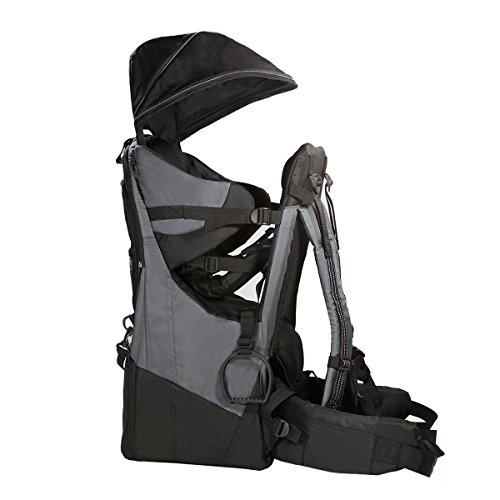
Table of Contents
Understanding Baby vs. Toddler Carriers: What's Actually Different
If you're thinking of using the same carrier from newborn stage through age three, stop. I get the appeal of "one carrier forever," but it doesn't work well for hiking. A newborn needs a snug, compact carrier that keeps them secure and doesn't bounce. A toddler needs a carrier that distributes their concentrated weight better and gives them enough visibility that they don't get bored after 20 minutes.
For infants (roughly birth to 6 months), soft carriers are typically your best bet for hiking because they're lighter and more packable if you're switching between carrier and stroller. But here's the catch: most soft carriers aren't ideal for serious hiking because they pull weight toward your shoulders and don't have the structured support that prevents lower back strain on longer trails.
For toddlers (6 months through 3 years), a structured frame carrier becomes increasingly worth it as they get heavier. A toddler at 20-25 pounds in a soft carrier can genuinely hurt, especially on uneven terrain where you're constantly adjusting your balance. The frame spreads that weight across your hips and lower back, which is where it should go.
Frame Carriers vs. Soft Carriers: When to Use Each
Frame carriers are the backpack-style carriers with an internal or external aluminum frame. Brands like Osprey Poco, Deuter Kid Comfort, and Kelty Journey (which made a comeback in recent years) fall into this category. They typically hold kids from about 6 months to 50+ pounds. The frame transfers weight to your hips through a padded waist belt, keeping your shoulders and back much happier. They also have storage pockets for diapers, water, and snacks — which matters more than you'd think when you're three miles from the car.
Soft carriers include structured carriers like the Ergobaby Omni 360 and wraps like the Solly Wrap or LennyLamb. They're more portable, easier to pack in a diaper bag, and work great for younger babies. However, they're not designed for the weight-bearing demands of serious hiking, especially as your child gets heavier. They're excellent for shorter walks, navigating crowds at trailheads, and babies who fall asleep in them.
The honest answer: if you're doing multiple hour-long hikes in summer, a frame carrier is worth the investment. If you're doing short nature walks (under 30 minutes) or mixing hiking with other activities, a soft carrier might cover your needs. Many parents I know use both — a soft carrier for casual outings and a frame carrier for dedicated hiking days.
Key Features That Matter on the Trail
Ventilation is non-negotiable in summer. Look for carriers with mesh backing and breathable materials. A carrier that holds your toddler flush against your back on a warm day becomes a sweat trap for both of you. Frame carriers with mesh ventilation panels are significantly more comfortable in heat than compact soft carriers. This is especially true if you live somewhere where summer means genuine heat and humidity.
Hip belt design matters more than people realize. A well-padded hip belt spreads weight evenly and prevents that "pulling down" feeling. Test this in person if possible — a thin, narrow hip belt feels like someone's hanging from your waist. Look for carriers with waist belts at least 2-3 inches wide with good padding underneath. Adjust the hip belt so it sits on your hipbones, not on your waist.
Visibility for your baby reduces fussiness. Toddlers on longer hikes get bored looking at the back of your head. Carriers that offer different carrying positions (front, hip, back) or that allow your toddler to see forward and sideways keep them more engaged and less likely to melt down halfway through. Some frame carriers have adjustable canopies that shade without completely blocking their view.
Storage and accessibility matter more than you'd think. Sunscreen, a second diaper, water — you need pockets you can actually reach without taking off the carrier or contorting yourself. Look for side pockets (not just back pockets) and a front or top pocket for your phone and keys. When one hand holds a trekking pole and the other steadies your toddler, you can't dig through a massive backpack.
Weight, Fit, and Comfort — Because You Matter Too
Here's what I wish someone had told me clearly: your fit in the carrier is as important as the baby's fit. A carrier that doesn't align with your torso length or hip width will hurt, full stop. You'll feel it in your lower back after 30 minutes. Most carriers come in sizes (XS to XL or similar), and getting the wrong size is a common reason parents abandon their carriers after one hike.
Check the height and weight specifications for both you and your child. Carrier dimensions should align with your measurements — a carrier's torso length is especially critical. If you're between sizes, most manufacturers can tell you which direction to go. (Generally, if you're borderline, go longer in the torso rather than shorter — it's easier to adjust straps down than to add length.) Many specialty outdoor stores will help you get fitted properly, which is worth a trip if you're spending $300+ on a carrier.
Weight limit matters, but it's often misunderstood. A frame carrier rated for 50 pounds doesn't mean it's comfortable at 50 pounds. Most hikers with toddlers find frame carriers genuinely pleasant to hike in up to about 35-40 pounds. Beyond that, even good carriers start to feel like work. That's not a failure of the carrier — that's just biomechanics.
Don't underestimate comfort features like sternum straps and load lifter straps. A sternum strap (which connects your two shoulder straps across your chest) keeps the pack from pulling backward and shifts weight forward slightly. Load lifter straps angle down from the pack, and when adjusted properly, they help distribute weight downward into your hips rather than hanging from your shoulders. These seem like small details until they're not there, and then every uphill feels exponentially harder.
Summer-Specific Considerations
Sun protection is about the carrier and what you wear. Look for carriers with adjustable canopies or hood options that shade your baby without blocking their airflow completely. Some carriers offer UPF-rated canopies, which is a nice bonus. That said, the canopy is part of the system — you're also responsible for dressing your toddler in light-colored, long sleeves when possible and applying sunscreen to exposed skin. A carrier with great shade but no sun protection on your baby isn't solving the problem.
Hydration for both you and your baby is critical. In summer heat, you're sweating more, working harder, and carrying extra weight. You need more water than a casual walk. Many parents rig water bottle holders to the carrier frame or use a hydration pack backpack on top of the carrier — yes, really, some hikers do this. For your baby, a small sippy cup or bottle should live in an easy-access pocket. A dehydrated toddler gets cranky fast.
Insect and weather protection changes with season. Summer means bugs, sudden rain, and intense sun. Look for carriers that offer good ventilation for heat but can accommodate light rain jackets or bug netting if needed. Some parents slip a lightweight bug net over the whole carrier setup. This sounds extreme until you're on a mosquito-infested trail for 45 minutes.
Timing your hike strategically matters. Early morning or late afternoon hikes are genuinely easier on a baby or toddler in summer. Less intense heat, fewer people, shorter shadows to navigate. If you're used to midday hikes, switching to 8 a.m. starts changes everything.
Testing Before You Go
Start with a short walk before a long hike. This is obvious but I see parents skip it constantly. Take your new carrier on a 15-minute neighborhood walk first. Let your baby or toddler get used to the sensation. Check that straps don't dig into your shoulders, that your hip belt sits right, and that your baby isn't uncomfortable or overheating. A short test run is infinitely
Frequently Asked Questions
What is the difference between baby carriers and toddler carriers?
Baby carriers are designed for infants (typically up to 20-25 lbs) and prioritize proper head and neck support, while toddler carriers accommodate heavier weights (up to 50+ lbs) and feature more robust support structures. The key difference lies in weight capacity, comfort padding for the wearer, and how they distribute the child's weight across your body.
How do I choose between frame carriers and soft carriers for hiking?
Frame carriers are best for longer hikes and heavier toddlers because they distribute weight to your hips and provide better ventilation, while soft carriers work well for shorter distances and younger infants with closer parent-child contact. Consider your hiking distance, terrain difficulty, and child's weight when deciding which type suits your needs.
What are the best baby carrier features for summer hiking?
Look for carriers with breathable mesh panels, sun hoods for UV protection, multiple carrying positions, and padded straps to reduce shoulder fatigue on uneven terrain. Weight distribution, ventilation, and adjustable sizing to prevent overheating are critical features for comfortable summer hiking with infants.
Is it worth investing in a hiking-specific baby carrier?
Yes, hiking-specific carriers are worth the investment if you plan regular trail outings, as they offer superior support, durability, and comfort compared to mall strollers or basic soft carriers. They're designed to handle uneven terrain, proper weight distribution, and extended wear—all essential for safe summer hiking with little ones.
How do I know what weight capacity I need in a baby carrier?
Check your child's current weight and consider how long you plan to use the carrier—most infants reach 25 lbs by 18-24 months, while toddlers can weigh up to 50+ lbs. Choose a carrier with a capacity at least 5-10 lbs above your child's current weight to ensure it remains comfortable and safe as they grow.
What safety features should I look for in a toddler carrier for trails?
Essential safety features include secure straps that prevent your toddler from wiggling free, proper hip support to prevent strain on your back, a sun hood for UV protection, and reflective elements for visibility. Also ensure the carrier has been tested for stability on uneven surfaces and can accommodate different terrain.
Can I use a regular baby carrier for summer hiking, or do I need a specialized one?
While regular carriers work for light use, specialized hiking carriers offer better weight distribution, breathability, and durability needed for trail conditions and extended wear. If you're planning regular summer hikes longer than 30 minutes, a hiking-specific carrier will significantly improve comfort and safety for both you and your child.


