

Best Car Seats for Everyday Use
🏆 Top Picks at a Glance
 #1
#1
Best Overall
Graco 4Ever DLX 4-in-1 Car Seat, Charlie| Infant to Toddler Car Seat, with 10 Years of Use | Rear-Facing, Forward-Facing and Booster Modes | Safe, Comfortable and Convenient
$319.99
Check Price → #2
#2
Runner Up
Graco Extend2Fit 3-in-1 Convertible Baby Car Seat, Rear and Forward Facing, Adjustable Extension Panel for Extra Legroom, Ashten
$269.99
Check Price →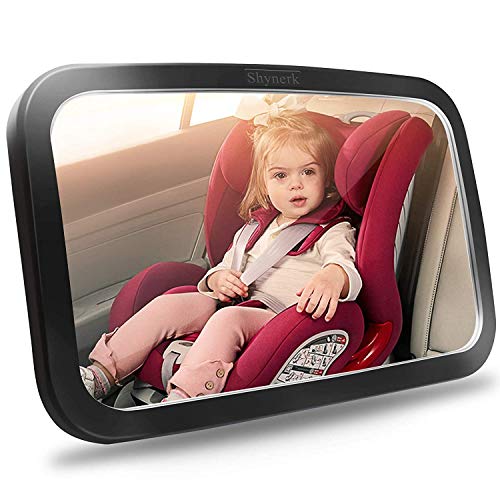 #3
#3
Best Value
Shynerk Baby Car Mirror, Safety Car Seat Mirror for Rear Facing Infant with Wide Crystal Clear View, Shatterproof, 360° Rotation, Crash Tested and Certified
$20.59
Check Price →Our Top Picks
Affiliate disclosure: if you buy through these links, we may earn a commission at no extra cost to you.
Factors to Consider
Rear-facing safety first
⚡ Quick Answer
Start with rear-facing for as long as the seat allows; it's the safest setup for toddlers.
Table of Contents
Rear-facing protects the head, neck, and spine in a crash far better than forward-facing in the early years.
The AAP recommends keeping kids rear-facing to the highest weight or height allowed by the seat, so many seats last longer than you expect.
If you're in a small car, look for a compact design with a tall rear-facing range to fit across the back seat without crowding the front passenger.
Installation that lasts
A tight, correct install is the foundation of safety.
Use LATCH up to the seat's lower weight limit, or switch to a seat belt with a top tether when needed, per your vehicle and seat manual.
Check the recline angle and harness path using the seat's built-in indicators or a simple level; a misaligned seat is a safety risk.
If you’re unsure, a free check from a Certified Child Passenger Safety Technician (CPST) can save you hours of fiddling and worry.
Growth path: harnessed to booster
Most kids stay harnessed in a 5-point harness until they outgrow the seat’s height or weight limit.
When ready to move forward, switch to forward-facing in harness mode until the seat’s weight limit is reached (often 40-65 pounds, depending on the model).
After that, transition to a high-back booster until the vehicle belt fits correctly across the chest and lap.
Keep the harness at or above shoulder level and use the harness retainer clip at armpit height for proper restraint.
Everyday features that matter
Look for machine-washable fabric covers and easy-to-use harness adjustments so daily life isn’t a wrestling match.
Practical features like smooth recline, padding that doesn’t interfere with strap routing, and a compact footprint matter in smaller cars.
Check for side-impact protection and energy-absorbing foam; these are core safety features backed by lab testing.
Favor seats with clear instructions and intuitive guides so you install correctly even on chaotic mornings.
Safety lifecycle, cost, and compatibility
Car seats typically expire six to ten years after manufacture, so check the date on the label before buying or installing.
Most manufacturers require replacing a seat after a moderate or severe crash, even if there’s no visible damage.
Register the seat for recalls and safety notices so you’re alerted if anything changes.
Choose a seat with a solid warranty and good customer support so you’re not left hunting for replacement parts later.
Frequently Asked Questions
When should I move from rear-facing to forward-facing?
Follow the seat’s weight and height limits and the American Academy of Pediatrics guidance to keep your child rear-facing as long as possible. Most convertible seats allow rear-facing up to 40-65 pounds, so many kids stay rear-facing well past age 2. If you’re unsure, bring the seat to a CPST for a quick check. (AAP, 2023)
Should I install with LATCH or with a seat belt?
Use LATCH up to the seat’s lower weight limit and your car’s specification; once you exceed that limit, switch to the seat belt and, for forward-facing, add the top tether per the manuals. Always follow the seat’s instructions and your vehicle’s guidelines; a proper install reduces misuse significantly. (AAP/CPS guidance)
How do I know if a car seat fits my vehicle?
Check the seat maker’s vehicle fit guide and your car’s owner manual for compatibility notes. Then test at home: a tight install with less than an inch of movement and no belt slack is a good sign. If you’re unsure, a CPST can confirm a safe fit in minutes. (NHTSA and CPS guidance)
How long do car seats last before they expire?
Most seats expire six to ten years after manufacture, so always check the date on the label before buying or installing. Expired seats can be more brittle and may not perform as designed in a crash. (NHTSA/recall guidance)
What should I do if the car seat is involved in a crash?
In most cases, you should replace the seat after a moderate or severe crash; even if it looks okay, internal materials may be compromised. Check the manufacturer’s guidance and consider a CPST consultation for next steps. (CPS guidelines)
Are infant seats safer than convertible seats for everyday use?
Infant seats are convenient for quick trips and easy transfers, but convertible seats offer longer lifespan and fewer transitions. Safety depends on proper use and fit, so choose what matches your car and routine, and use the 5-point harness as long as possible within the seat’s limits. (Research on proper use and fit)
Can I reuse a car seat for another child or between cars?
You can reuse if the seat is in good condition, within expiration, and appropriately sized for the next child. When moving between cars, ensure correct installation in each vehicle and check for recalls or any required replacements. (Recall and lifecycle guidance)


